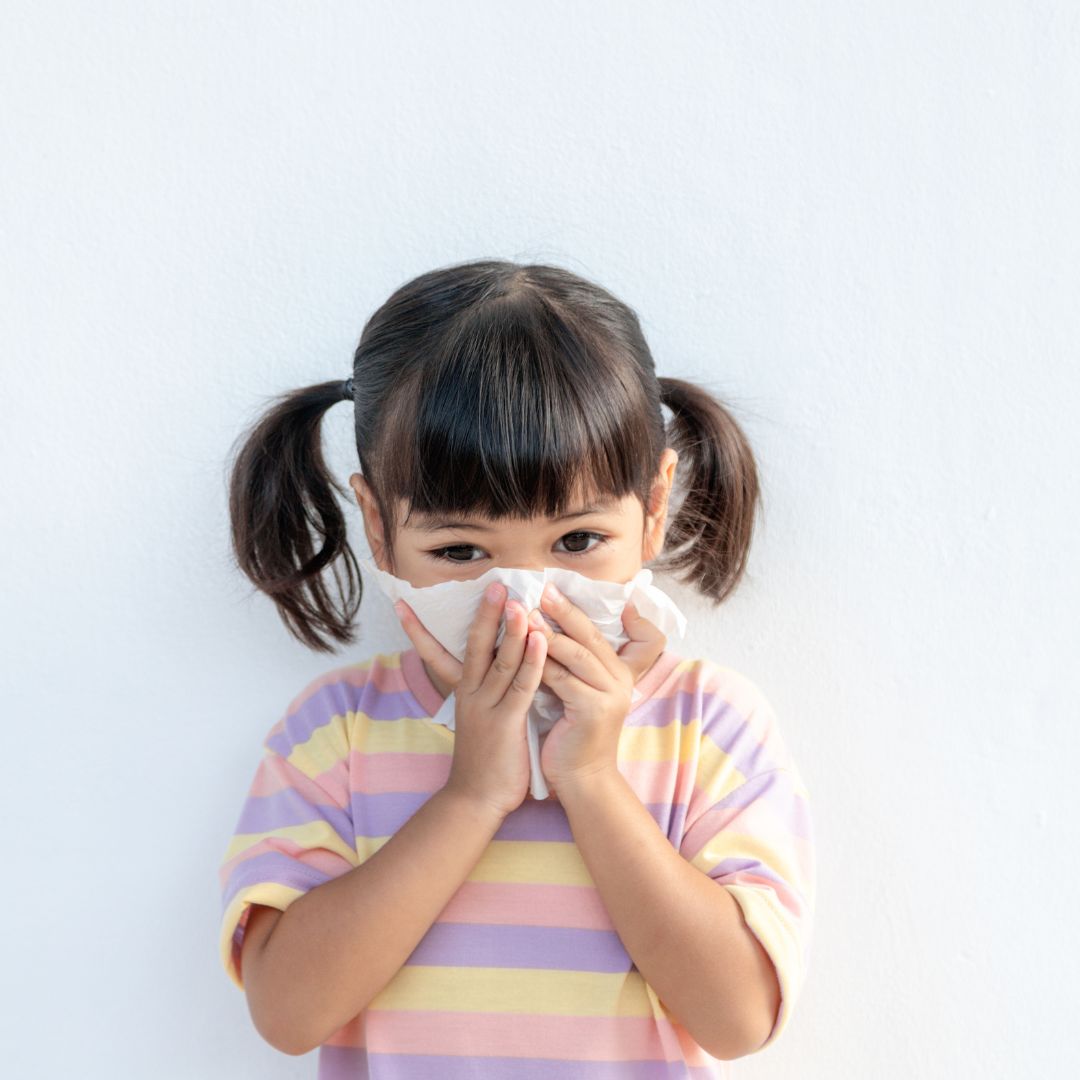
Oh, the joys of summer. Playing at the pool, lake, and beach, hikes in the mountains, and sleepovers! But when kids get sick, all the fun must temporarily end. In addition to the usual cold, summer flu, and strep throat, here are three other summer illnesses to watch out for. As always, we are here if you suspect your child is ill. Call us with questions or schedule a walk-in appointment online.
Enterovirus
Many different enterovirus types exist, like the flu and other illnesses. There are more than 100 different types. Typically mild, they spread through droplets released when sneezing or coughing but can also spread by being close to someone with the virus. EV-D68, a type of enterovirus we’ve seen more of in the past few years, typically causes symptoms similar to other respiratory illnesses. These symptoms include muscle aches and pains, fever, runny nose, cough, sneezing, skin rashes, and mouth blisters.
Most cases of enterovirus are mild and can be treated at home as you would treat the flu. However, we recommend that you have your child seen if they develop:
Shortness of breath
Difficulty breathing
Wheezing
Trouble swallowing
Arm or leg weakness
Difficulty moving eyes or eyelids
Facial droop
Hand, Foot, and Mouth Disease (HFM)
Another virus being seen by pediatricians across the country is hand, foot, and mouth disease (HFM). This common virus causes painful red blisters on the inside of the mouth and throat, the palms of the hands and soles of the feet, as well as the diaper area. Because it is often seen in young children who cannot report their throat hurts, parents and caregivers should be looking for a child who stops eating and drinking or doesn’t want to eat or drink. Other symptoms include flu-like symptoms (fever, muscle aches), irritability, abdominal pain, diarrhea, vomiting, and drooling (from not wanting to swallow). The blisters that can develop on the hands and feet are small and fluid-filled. HFM is highly contagious and can be spread through unwashed hands, saliva, mucus, feces, or the fluid released from blisters. Symptoms usually go away within a week to ten days. There is no treatment for HFM. However, symptoms can be managed with acetaminophen, ibuprofen, drinking cool fluids to soothe the throat, ice cream, smoothies, and popsicles. Avoid hot foods and drinks.
If symptoms worsen, your child becomes more irritable, or you suspect dehydration (peeing less than usual, sunken eyes, dry mouth), get in to see your child’s pediatrician. Disinfect toys to prevent the spread, as many viruses can live on them for several days. The best way to prevent HFM from spreading is to wash your hands for at least 20 seconds before eating, when returning from outside, after changing diapers, etc.
Human Metapneumovirus
Related to RSV (respiratory syncytial virus), human metapneumovirus (HMPV) is another respiratory virus spread through droplets expelled when sneezing, coughing, or touching surfaces that have the droplets. It is the most common cause of respiratory illness; chances are, you’ve been exposed to it before. The most common symptoms of HMPV include,
- Sneezing
- Cough
- Runny nose
- Difficulty breathing
- Shortness of breath
Like RSV, symptoms can worsen and turn into pneumonia or bronchitis. Monitor your child and schedule an appointment with their pediatric provider if you notice their symptoms worsening.
Lyme Disease
In North Carolina, we have a lot of ticks, and Lyme disease is a tick-borne illness that can spread to the joints, heart, and nervous system if left untreated. Be wary of ticks when you spend time outdoors and if you notice a tick, remove it intact, head and all. Safe removal instructions by the CDC can be found here.
From 3-30 days after a tick bite, symptoms may appear as follows:
- Fever and chills
- Headaches and body aches
- Nausea
- Muscle and joint pain
- Swollen lymph nodes
- Rash (erythema migrans) at the tick bite site
Long-term symptoms of Lyme disease may include:
- Facial palsy
- Severe headaches and neck stiffness
- Erythema Migrans rashes on other parts of the body
- Severe joint pain
- Irregular heartbeat
- Inflammation of the brain and spinal cord
- Nerve pain
- Shooting pains, numbness, or tingling in hands or feet
Lyme disease is typically diagnosed by symptoms and probability of exposure to an infected blacklegged tick, also known as a deer tick. Laboratory blood tests can be done to confirm Lyme disease by detecting antibodies. Antibodies can take weeks to develop, so results may appear negative at first. If Lyme disease is confirmed, antibiotics are prescribed for a few weeks. Early diagnosis is essential, so if you suspect Lyme disease, schedule an appointment with your child’s pediatric provider.

 3 min read
 Download
 Share
Share