

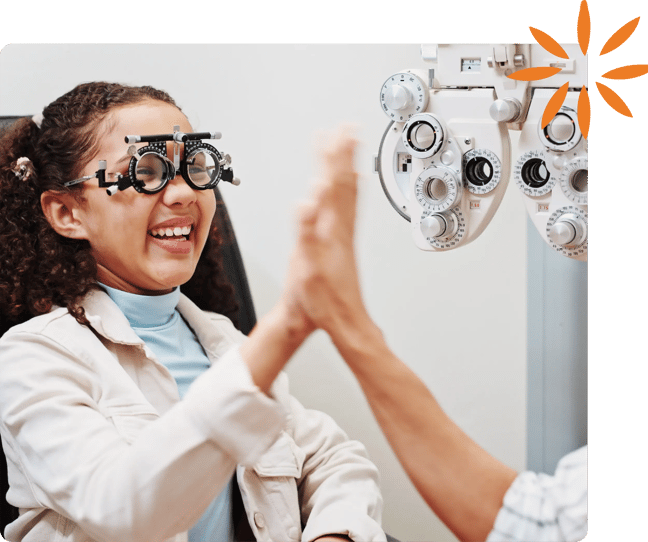
What Is Spot Vision Testing?
A pediatric vision screening is a quick, gentle vision test we offer right here in our office during well-child visits. For younger children, we use a handheld, camera-based device that allows us to screen vision as early as 12 months without asking them to read letters, name shapes, or sit perfectly still. As children get older, we transition to traditional eye charts for vision screening.
The Spot device captures images of both eyes from a short distance using infrared light. This helps us identify potential vision concerns early, even before children are able to communicate changes in their vision.

What Happens During a Pediatric Vision Screening?
Vision screening for kids is designed to be fast, gentle, and stress-free—even for babies and toddlers. If the screening suggests a potential concern, we'll provide a referral to a Pediatric Ophthalmologist who can perform a comprehensive exam and discuss treatment options.
Here's what to expect during your child's visit to Rainbow Pediatrics:


How Often Should My Child Have a Spot Vision Test?
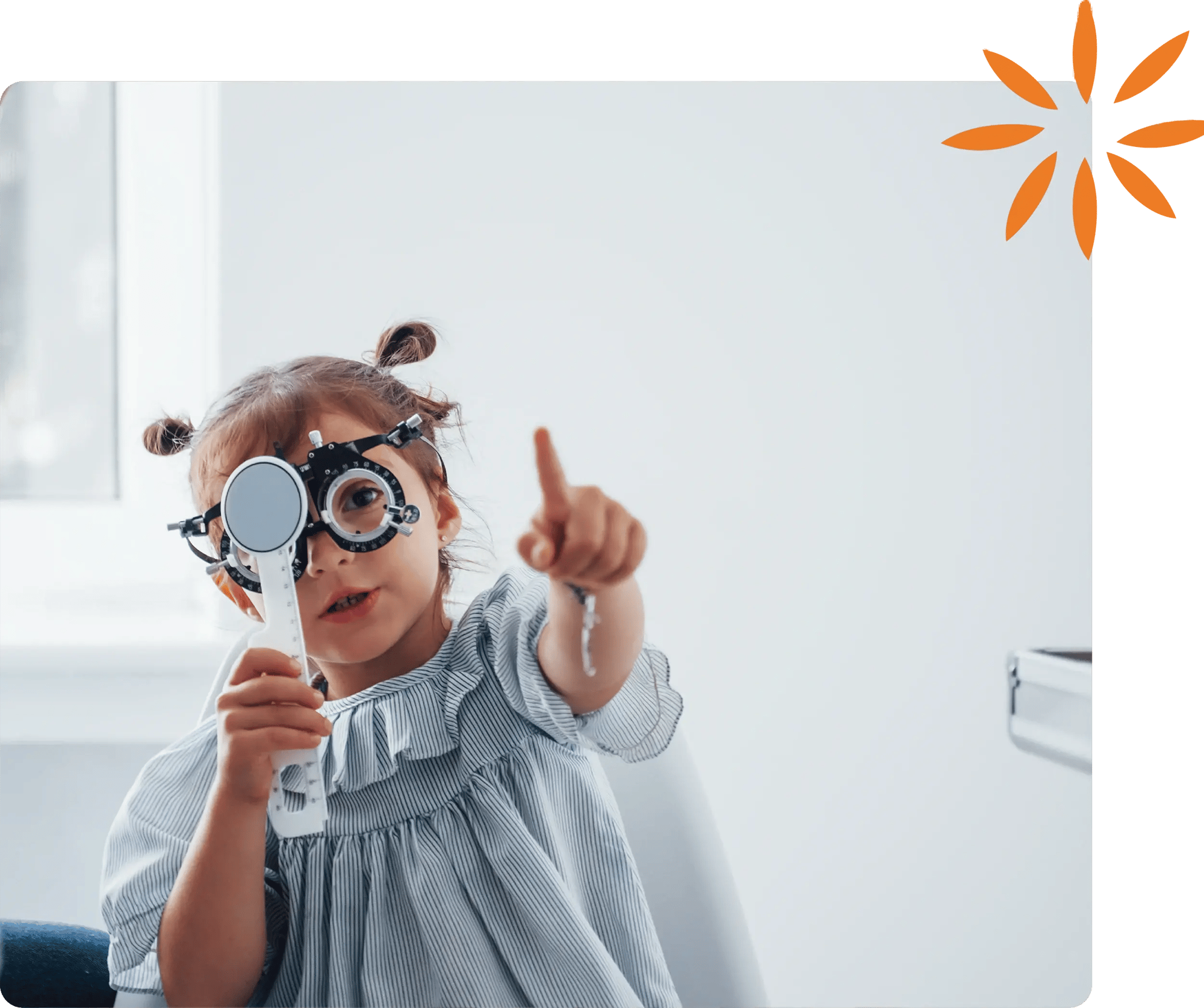
Children don’t always know how to describe vision problems, and many assume everyone sees the way they do. Most children at Rainbow Pediatrics receive spot vision screening as part of their routine wellness visits to help us identify problems before they interfere with learning and daily activities.
Here’s how screening supports kids at different stages:
Babies & Toddlers (12 months–3 years)
Early screening helps catch amblyopia risk factors during the most critical window for visual development, when the brain is still learning how to see. Detecting issues like significant refractive errors or eye misalignment at this stage allows for early intervention before permanent vision loss occurs.
Preschool & School-Age Kids (4–10 years)
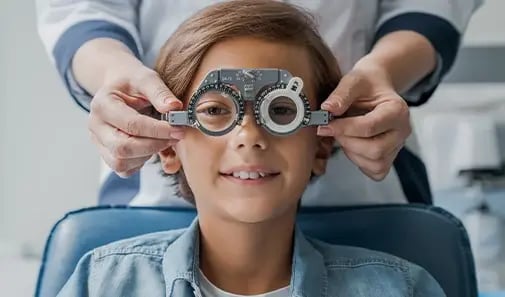
Vision problems can impact reading, learning, attention, and classroom participation. Early detection helps ensure your child has the visual clarity they need to succeed academically and socially, while treatment options remain most effective.

Preteens & Teens (11–18 years)
As schoolwork becomes more demanding and screen time increases, undetected vision issues can contribute to headaches, eye strain, difficulty concentrating, and declining academic performance.

How to Prepare for Your Child's Vision Screening
Spot vision testing is quick, gentle, and usually completed right alongside your child’s regular wellness visit, so most families don’t need to prepare at all. Our team will guide you through everything during the visit so you can focus on what matters most: your child’s comfort and care.
A few small tips can help the visit feel even smoother:


Convenient Locations Across Greater Fayetteville
Rainbow Pediatrics offers full-service pediatric care across multiple locations in Fayetteville, Hope Mills, Raeford, and Lumberton, making it easier to fit wellness visits into busy family schedules.

- Same-day appointments
- Online scheduling
- Saturday sick clinics
- Spanish-speaking staff
- TRICARE accepted

Frequently Asked Questions
Rainbow Pediatrics follows American Academy of Pediatrics (AAP) guidelines, which recommend vision screening starting as early as 12 months of age. The spot vision screener is designed to work with children from 6 months through adulthood, making it possible to detect vision concerns well before traditional eye chart tests would be appropriate.
Traditional eye charts require children to identify letters or shapes, which means they must be old enough to speak, recognize symbols, and follow directions. The spot vision screener works by taking quick photos of the eyes using infrared technology, so it can accurately screen infants, toddlers, and children who can't yet read or communicate what they see.
Spot vision screening can identify several common issues, including nearsightedness, farsightedness, astigmatism, unequal vision power between eyes (anisometropia), eye misalignment (strabismus), unequal pupil size (anisocoria), and other amblyopia risk factors. If a concern is detected, your pediatrician will refer you to a pediatric eye specialist for a comprehensive exam.
No. The test is completely non-invasive and painless. Your child simply looks at the device while it captures images in a matter of seconds. No eye drops, bright lights, or physical contact are involved, making it comfortable even for very young children.
If the Spot screening indicates that your child's vision measurements are "out of range," your pediatrician will provide a referral to a pediatric ophthalmologist or eye specialist for a comprehensive exam. The specialist will confirm the findings and discuss treatment options, which may include glasses, patching therapy, or other interventions, depending on the diagnosis.
Many insurance plans cover routine vision screening as part of preventive pediatric care during wellness visits. Rainbow Pediatrics can help answer specific questions about your coverage. Contact our office or check with your insurance provider for details.