As parents, we want the best for our kids but often inadvertently overlook vision. Poor vision can have far-reaching consequences on developing children, impacting their learning, social interactions, and overall well-being.
Children learn by observing, exploring by seeing and connecting with others through eye contact and facial expressions. When vision is compromised, these fundamental experiences are hindered, potentially leading to significant developmental delays.
More Than Just Seeing the Big ‘E’: The Hidden Struggles of Poor Pediatric Vision
Poor pediatric vision can lead to more than just not seeing well. Disruptions in the classroom, often misattributed to behavioral issues or parenting styles, could actually stem from a child’s inability to clearly see the blackboard or whiteboard. Shockingly, an NBC News article even points to poor vision as one of the top five reasons children drop out of school.
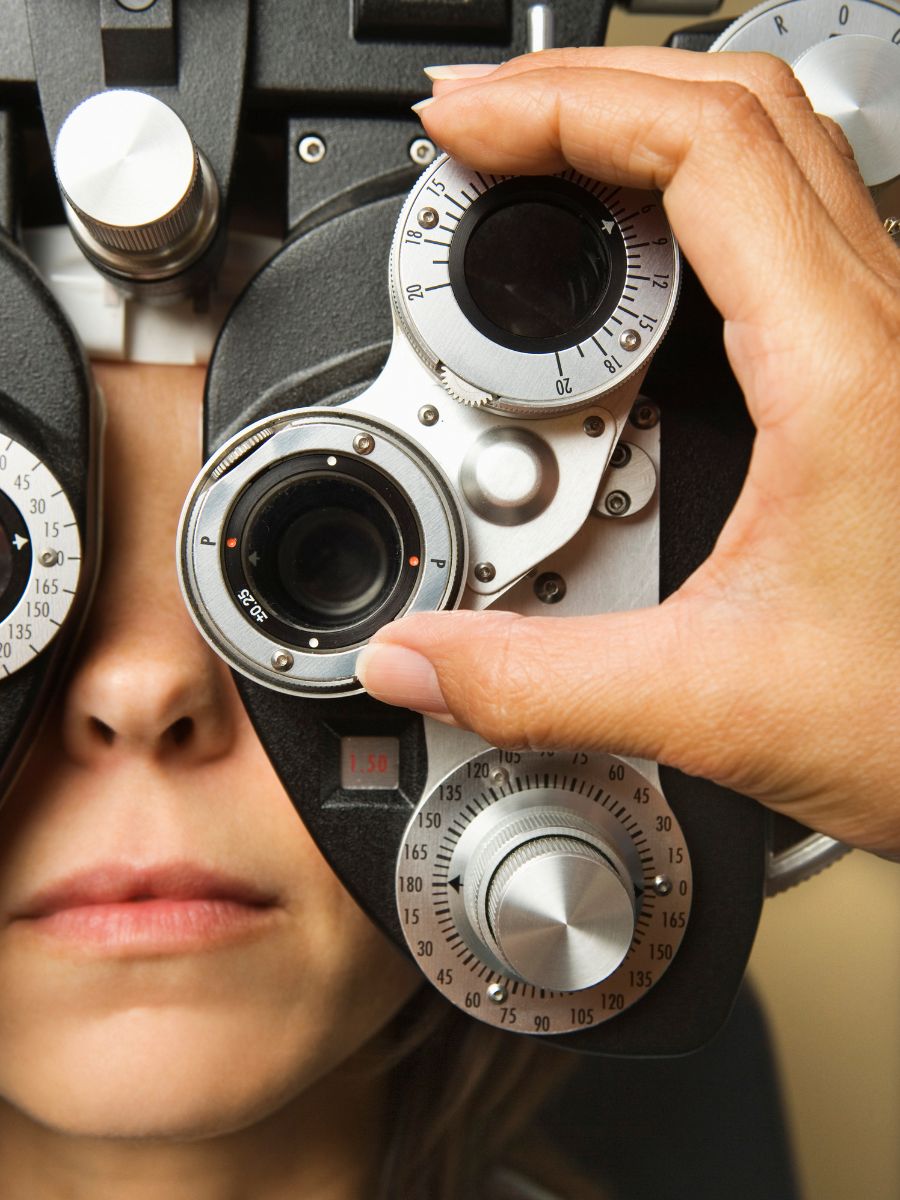
The American Academy of Pediatrics identifies vision disorders as the fourth most common disability among children. Yet, standard vision screenings often fall short. The basic Snellen eye exam (you know, the chart with the big “E”) can miss crucial vision problems.
The Ripple Effect: How Poor Vision Affects Child Development
The consequences of undiagnosed and untreated vision problems extend far beyond the classroom:
- Academic Performance: Difficulty seeing the board, reading textbooks, or focusing on close-up work can lead to frustration, poor concentration, and, ultimately, lower grades.
- Social and Emotional Development: Poor vision can impact a child’s ability to interpret social cues, recognize facial expressions, and participate fully in group activities. They might avoid activities that require good vision, leading to social isolation and feeling left out. Poor vision can negatively affect their self-esteem and confidence.
- Motor Skills and Coordination: Vision is essential in developing hand-eye coordination, depth perception, and spatial awareness. Children with uncorrected vision problems may struggle with tasks like catching a ball, riding a bike, or navigating their environment safely.
- Behavioral Issues: Frustration from vision difficulties can appear as behavioral problems in the classroom or at home. A child who can’t see clearly might act out, appear inattentive, or avoid tasks that require visual focus.
When it Comes to Pediatric Vision, Early Detection is Key
The good news is that many vision problems can be effectively treated, especially when detected early—particularly before a child becomes school-age. Early diagnosis significantly increases the chances of successful intervention for conditions like strabismus (crossed eyes) and amblyopia (lazy eye). Once identified, even common refractive errors like nearsightedness, farsightedness, and astigmatism can be easily corrected with glasses or contact lenses.
Eye Screening Goes Beyond the Big ‘E’
Recognizing the limitations of basic vision screenings, we use advanced tools like the Spot Vision Testing camera. This technology allows us to screen children as young as six months old. Spot vision screening can detect a broader range of problems than the typical eye chart used in most pediatric offices. This includes common issues, such as nearsightedness, and less obvious ones, such as eye misalignment and structural abnormalities.
Taking Action for Your Child’s Future
As the school year winds down, now is the perfect time to prioritize your child’s vision health. Don’t wait for obvious signs of a problem. Be proactive and schedule a comprehensive eye exam.
- Schedule a Well-Child Visit: Discuss your child’s vision with their pediatrician. They can perform initial screenings and recommend further evaluation if needed.
- Consider a Specialist: For a thorough eye examination, don’t hesitate to schedule an appointment with a pediatric ophthalmologist or optometrist.
- Explore InfantSEE: The InfantSEE public health program offers comprehensive eye assessments at no cost for babies between 6 and 12 months old. This is a fantastic resource for ensuring your infant’s vision is developing correctly.
Clear vision is not just about seeing; it’s about enabling your child to fully engage with the world around them, thrive academically, build strong social connections, and reach their full potential. By prioritizing your child’s vision, you invest in their lifelong development and set them up for a brighter future. If you have questions about vision screening, call our office or schedule an appointment. We are happy to help!

 2 min read
 Download
 Share
Share