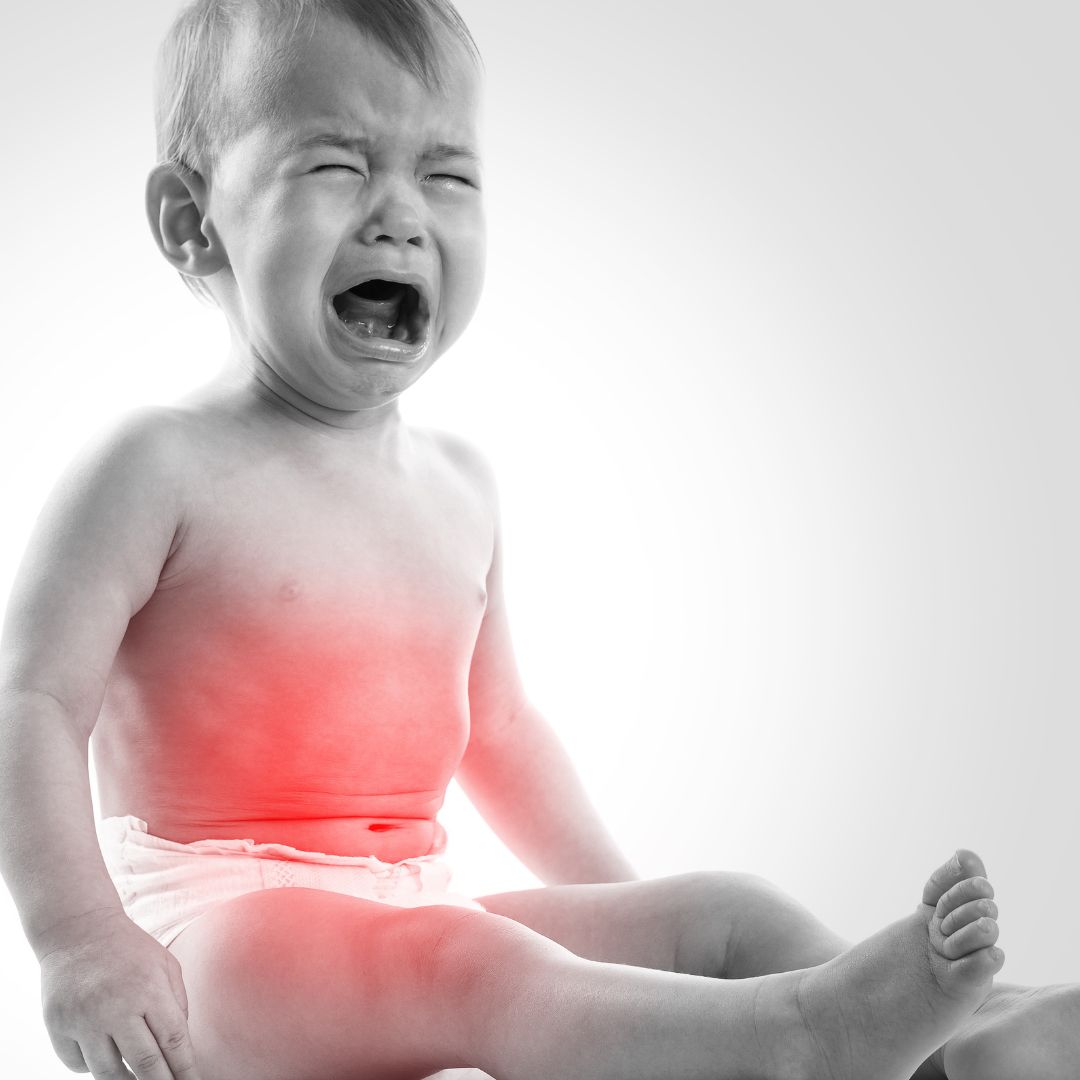
Gastroesophageal reflux, or GER, is common in babies, especially during their first few months. It’s estimated that up to 50% of babies experience reflux to some degree during their first year. It occurs when the contents of the baby’s stomach are regurgitated back into the esophagus and sometimes even up into the mouth. Although reflux is a normal part of a baby’s development, it can still concern parents. In this blog, we’ll cover everything you need to know about reflux in babies, including when to see a doctor and how to treat it.
Why Does Reflux Happen in Babies?
Reflux happens in babies, especially premature ones, because their digestive systems are still developing. The esophageal sphincter, the muscle that separates the esophagus from the stomach, may be weak or not fully developed, causing the stomach contents to flow back into the esophagus. Babies also have a shorter and narrower esophagus and smaller stomachs, making it easier for their stomach contents to come back up. Other factors contributing to reflux in babies include overfeeding, feeding position, and food intolerances or sensitivities.
What are the Symptoms of Reflux in Babies?
The most common symptom of reflux in babies is spitting up or vomiting, which can happen shortly after feeding or even hours later. Other symptoms include excessive crying, coughing, gagging, and choking during or after feeding. Babies with reflux may also experience poor weight gain and feeding difficulties.
How Long Does Reflux Last in Babies?
Reflux typically peaks around four months of age and improves as babies learn to sit up and eat solid foods. Most babies outgrow reflux by their first birthday. However, in some cases, reflux can persist beyond infancy and can be a chronic condition.
When Should My Baby See a Pediatrician for Reflux?
While reflux is normal and usually resolves on its own, there are some instances where seeing the pediatrician is a good call. If your baby has any of the following symptoms, please schedule an appointment:
- Issues gaining weight
- Forceful spit-up or projectile vomit
- Refusal to eat
- Spit-up is green, yellow, bloody, or looks like coffee grounds
- Bloody stool,
- Difficulty breathing, gags, or chokes during feedings
- Irritability after eating
- Arches his back or screens during feedings
Tips for Minimizing Reflux in Babies:
1. Keep your baby upright: After feeding, hold your baby upright for at least 30 minutes. This position can help prevent stomach contents from flowing back into the esophagus.
2. Feed smaller, more frequent meals: Feeding your baby smaller amounts more frequently can help prevent overfeeding and reduce the likelihood of reflux.
3. Elevate your baby’s head: Placing your baby on a slight incline during feeding and for a short period after can help with reflux. You can achieve this by placing a pillow or cushion under the head of the crib mattress.
4. Burp your baby frequently: Burping your baby frequently during and after feeding can help release any trapped air in their stomach.
In some cases, medication may be necessary to manage reflux symptoms. Your baby’s pediatrician will make recommendations if it is advisable.
Reflux is a common issue that many healthy babies experience, but it can still be concerning for parents. Following the tips outlined in this blog can help reduce your baby’s reflux symptoms and ensure their comfort. If you have any concerns or your baby’s symptoms are severe, consult their pediatrician.
Parents and caregivers can learn more about GER on the American Academy of Pediatrics website.

 2 min read
 Download
 Share
Share